
DVA Tell Your Story: Nathan Klinge — Stability Is Key
Episode Overview
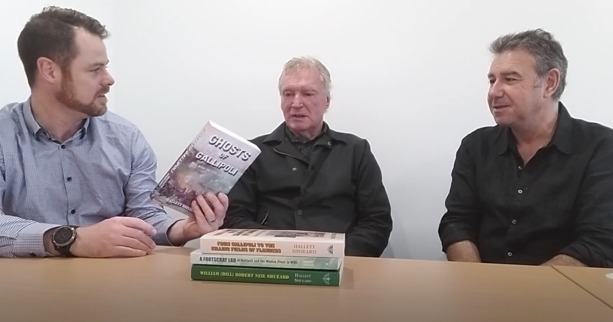
In this episode of Tell Your Story, we speak with Nathan Klinge, Chief Executive Officer of RSL Care SA, about why stability is often the turning point for veterans who are housing vulnerable or experiencing homelessness.
Nathan shares the origin story of RSL Care SA — founded in Adelaide to support returned soldiers — and explains how that legacy continues today through aged care, retirement living, and veteran housing initiatives. We explore the Andrew Russell Veteran Living (ARVL) program, how it supports veterans with short-term intervention and longer-term housing solutions, and why prevention and early support can change outcomes.
This episode is ultimately about one idea: when you can help someone feel safe and steady again, everything else becomes possible.
Listen to the conversation
About the organisations featured in this episode
RSL Care SA
RSL Care SA is a South Australian not-for-profit organisation that supports veterans, their families, and the broader community through residential aged care, retirement living, and veteran housing support.
In this episode, Nathan reflects on the organisation’s long history and continuing mission: delivering practical support for veterans—particularly when life circumstances become complex and stability is at risk.
Key links & resources
🌐 RSL Care SA: https://www.rslcaresa.com.au/
📘 Residential aged care / War Veterans’ Home (Myrtle Bank): https://www.rslcaresa.com.au/residential-aged-care/
📄 Veteran housing / ARVL information (RSL Care SA): https://www.rslcaresa.com.au/arvl-housing/
Andrew Russell Veteran Living (ARVL)
Andrew Russell Veteran Living (ARVL) provides housing pathways and practical supports for ex-service people in South Australia who are homeless or at risk of homelessness.
In the conversation, Nathan explains why ARVL exists: for many veterans, the supports are out there—but they’re hard to access when someone is in crisis. ARVL’s role is to help veterans stabilise first, then build the right supports around them.
Key links & resources
🌐 ARVL (homepage): https://www.arvl.org/


Key themes discussed
The history of veteran care in South Australia and why it still matters
Homelessness risk and “glide paths” into homelessness
Why housing stability is a foundation for all other supports
Intervention versus long-term housing pathways
Prevention and “circuit breaker” support (small help, big impact)
Transition, identity, and the transferability of military skills
The power of storytelling to make veteran issues visible
Key takeaways
Key reflections and insights from this conversation include:
Stability and safe housing create the conditions for recovery and reconnection.
Veteran homelessness is often linked to multiple factors beyond health (financial stress, relationships, identity, belonging).
Prevention and early support can reduce crisis escalation and long-term harm.
The ARVL model combines practical supports with accommodation pathways for veterans who are homeless or at risk.
Military skills are highly transferable — and veterans often bring strong decision-making frameworks into civilian life.
Transition is different for everyone, and support should meet people where they are.
Community-led support, combined with specialist services, improves outcomes over time.
Selected sound bites
Moments from the conversation that capture key themes and reflections:
“We want to use him [Andrew] as an example.”
“Stability is key.”
“Prevention is everything.”
“Let’s just stand you still for a bit.”
“If you can lock someone down in a house… then you can start to build the network.”
Episode chapters
This episode covers the following topics:
00:00 Introduction to RSL Care and its mission
01:49 Historical context of veteran care
05:20 Fundraising for homeless veterans
09:07 Comprehensive support for veterans
12:00 Identifying pathways to homelessness
15:17 The future of veteran care
18:02 Transitioning from military to civilian life
22:06 Skills and experiences from military service
About the Tell Your Story project
Tell Your Story is a Department of Veterans’ Affairs supported storytelling project amplifying lived experience across the veteran community through respectful, recorded conversations.
If this conversation raises difficult topics, support is available through services such as Open Arms – Veterans & Families Counselling (1800 011 046).


Comments