
DVA Tell Your Story: John Hunter — Purpose, Connection, and Keeping an Eye on Our Veterans
Episode Overview
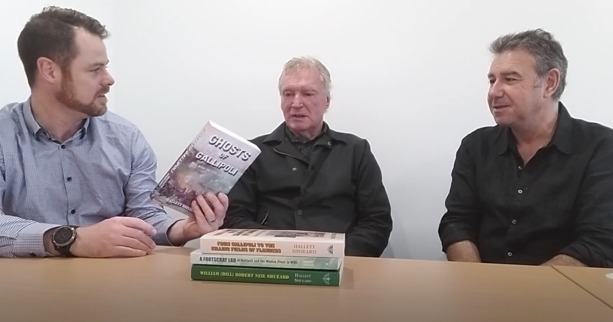
In this episode of Tell Your Story, we sit down with John Hunter, who shares a remarkable journey from wearing uniform in his early years through to building a life of service, community connection, and veteran wellbeing support.
John speaks candidly about the realities of life “in a system that works like a clock” — and the uncertainty that can follow when you return to civilian life. Through stories of resilience, peer support, and community care (often alongside his wife Sue), this episode reinforces a powerful message: veterans need purpose, human connection, and practical pathways back into community.
Listen to the conversation
About the programs and services featured in this episode
Men’s Health Peer Education
John discusses the DVA Men’s Health Peer Education (MHPE) program — a practical, non-judgemental approach to health education and awareness. As John describes it, the program isn’t about diagnosing or prescribing; it’s about giving veterans information, encouraging people to check in with themselves, and helping individuals take steps toward support where needed.
If you would like to find out more about the MHPE program, please contact the Men’s Health team at menshealth@dva.gov.au.
Open Arms and wellbeing support
John also reflects on wellbeing programs and courses that support mental health, including learning practical tools like relaxation strategies and mindfulness — and how powerful it can be when veterans are supported in safe spaces to process experiences.

Community connection and veteran programs
A key thread in this episode is community-based engagement — local programs, peer networks, and RSL connections that help veterans stay active, stay connected, and avoid isolation.
John highlights the value of getting involved, staying engaged, and being part of something that keeps you moving forward.
Key themes discussed
Life in service and living through uncertainty and conflict
Transitioning from a regimented system into civilian life
Identity, routine, and family dynamics after service
Health education through peer programs
The importance of checking in on veterans — especially older veterans
Preserving stories before they are lost
Finding purpose, practicing self-care, and staying connected
Key takeaways
Key reflections and insights from this conversation include:
Transitioning from military to civilian life can be challenging and uncertain.
Veterans often need purpose and a reason to get up and engage each day.
Community support and peer connection are critical protective factors.
Health education programs can help veterans recognise risks early and seek help sooner.
Self-care is essential — and being “busy” can sometimes mask how unwell someone is.
Keeping an eye on veterans in the community can prevent people slipping through gaps.
Storytelling preserves experiences that would otherwise be lost.
Connection — simple visits, check-ins, and relationships — can change outcomes.
Selected sound bites
Moments from the conversation that capture key themes and reflections:
“Self-care is so important.”
“We need to keep an eye on our veterans.”
“Be kind to yourself as well.”
“You need a purpose, you need to do something.”
Episode chapters
This episode covers the following topics:
00:00 Introduction to veteran stories
00:37 John’s journey in the Navy
08:33 Navigating conflict and uncertainty
12:02 Transitioning from Navy to civilian life
15:15 Men’s Health Peer Education program
18:58 The importance of community support
23:09 Sharing stories and building connections
32:23 Advice for veterans reconnecting with community
About the Tell Your Story project
Tell Your Story is a Department of Veterans’ Affairs supported storytelling project amplifying lived experience across the veteran community through respectful, recorded conversations.
If this conversation raises difficult topics, support is available through services such as Open Arms – Veterans & Families Counselling (1800 011 046).


Comments